
Systeme.io Buying Guide 2026: 8 Things to Check Before You Choose a Plan
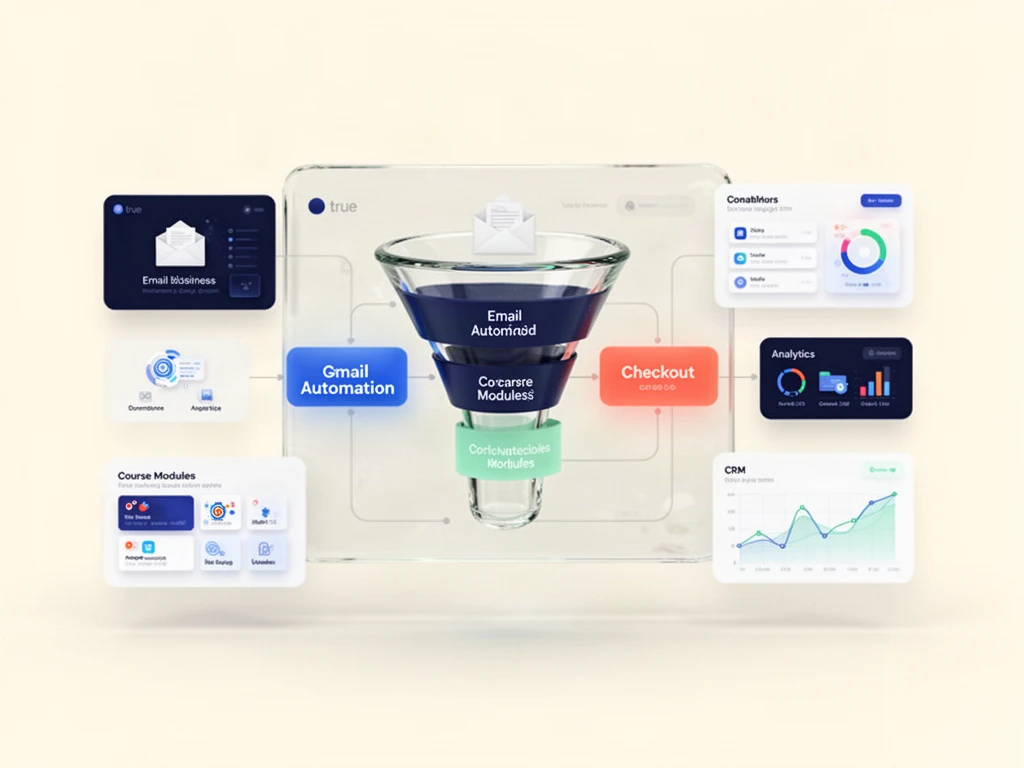
Systeme.io buying guide 2026: Check funnel, email, course and automation limits, subscription costs and alternatives before upgrading.
Updated October 2026 | All-in-One Marketing Platform Buying Guide
Affiliate Disclosure: This article contains affiliate links. If you sign up or purchase through them, BigExclusives may earn a commission at no extra cost to you. See our Affiliate Disclosure.
An all-in-one marketing platform can simplify a small online business, but only if its funnel builder, email tools, automation, course features, limits, and pricing fit the way you actually work. This guide answers the cost question the review leaves open: which Systeme.io plan fits the business you actually run, and what it costs each month once your contacts and funnels outgrow the free tier.
This guide explains what to check before choosing Systeme.io.
Explore Systeme.io and Current Plans
Systeme.io Cost Scenarios: What Three Typical Businesses Cost Per Month
Systeme.io lists four standard plans on monthly billing: Free at $0, Startup at $17 per month, Webinar at $47 per month, and Unlimited at $97 per month. The real limit is capacity: Free allows 2,000 contacts and 3 sales funnels, Startup allows 5,000 contacts and 10 funnels, Webinar allows 10,000 contacts and 50 funnels, and Unlimited removes those caps. The review’s pricing table is based on published pricing information checked in October 2026. Because a growing list or a new funnel can push you to the next plan, match your business to a scenario below, and verify current prices on the official pricing page before paying.
Solo creator starting out:
- one lead magnet, one funnel, and a small list. Stay free at $0 with 2,000 contacts and 3 funnels. Move to Startup at $17 per month only when a limit blocks real work.
Growing course seller:
- several funnels, a welcome sequence, and a list approaching 5,000 contacts. Budget for Startup at $17 per month, with 5,000 contacts and 10 funnels.
Established marketer:
- webinars, many funnels, and a list over 10,000 contacts. Budget for Webinar at $47 per month, or Unlimited at $97 per month when the caps themselves are the problem.
A useful rule: count contacts and funnels before you count features. If one product launch would push you past a limit, budget for the next plan before you migrate your list.
1. Decide Which Tools You Really Need
Before comparing plans, list the jobs your business needs to handle. That may include landing pages, email campaigns, sales funnels, automation, online courses, affiliate management, or digital-product sales.
If you only need one or two simple functions, a specialized tool may be enough. An all-in-one platform becomes more attractive when it can replace several separate subscriptions without creating major compromises.
2. Check Funnel and Page-Building Flexibility
Look at how easily you can create opt-in pages, sales pages, checkout flows, thank-you pages, and upsell sequences. Pay attention to mobile responsiveness, reusable templates, domain connections, and how much design control you actually get.
3. Review Email Marketing Limits
Email can become the core of an online business. Check contact limits, campaign features, automation rules, segmentation options, deliverability practices, and whether the plan you are considering supports the size of list you expect to build.
4. Test Automation Before Moving Your Business
Automation should reduce repetitive work rather than make your setup harder to understand. Test simple workflows first, such as adding a tag after a form submission or sending a sequence after a purchase. For a practical first project, follow our free Systeme.io funnel and welcome-email tutorial.
5. Check Course and Digital Product Features
If you sell courses, memberships, downloads, or coaching, review how products are created, delivered, and managed. Look at access controls, payment flows, student experience, and any limits that could matter as your audience grows.
6. Compare the Real Cost With Separate Tools
Do not compare only the sticker price. Calculate what you would otherwise pay for a page builder, email platform, automation service, course host, and affiliate software.
Then compare that total with the Systeme.io plan that actually includes the limits you need.
7. Check Integrations and Data Portability
An all-in-one platform is convenient, but it also means more of your business can live in one system. Check whether you can connect important external services and export contacts or other essential data if you later decide to move.
8. Start Small Before Committing
If a free plan or low-cost entry point is available, use it to test the workflow with a real mini-project before moving an established business. Build one funnel, send a small email sequence, and test a basic automation.
Try Systeme.io and Review the Current Plan Limits
Systeme.io Decision Checklist: 10 Yes-or-No Questions Before You Pay
Answer honestly. The score at the end tells you whether to start free, upgrade to a paid plan, or keep your current tools.
- Can you name the tools Systeme.io would replace, and what you pay for them now?
- Do you know how many contacts you have today, and how fast the list grows?
- Will three funnels cover your first product, or do you need more on day one?
- Have you tested a welcome email sequence with dummy contacts?
- Can you build the checkout and course delivery without a second tool?
- Do you know what happens when you hit the contact or funnel limit?
- Can you export your contacts, funnels, and course content if you leave?
- Is the plan cheaper than the separate tools it would replace?
- Can you afford the plan for at least three months while the business earns nothing?
- Is there a cheaper way to test the idea first, such as a single landing page?
Count your yes answers. Eight or more: Systeme.io is a reasonable fit. Start on the free plan and upgrade only when a limit blocks real work. Five to seven: run the plan-selection worksheet on one real funnel first, then re-check before paying. Fewer than five: pause, define the business in one sentence, or consider a specialized tool for the job that matters most.
Who May Find Systeme.io a Good Fit?
- Beginners who want several marketing tools in one dashboard.
- Creators selling digital products or courses.
- Small businesses that want funnels plus email automation.
- Users trying to reduce the number of separate subscriptions they manage.
Who Should Compare Alternatives?
Consider alternatives if you need highly advanced design control, complex enterprise CRM workflows, specialized email features, or deep integrations that are central to your business.
Read Our Full Systeme.io Review
For a broader assessment of features, trade-offs, pricing considerations, and who the platform may suit, read our full Systeme.io review.
Systeme.io Buying Checklist
- Which tools will it replace for you?
- Are the funnel-building features sufficient?
- Does the contact limit fit your growth plans?
- Can its automation handle your real workflows?
- Do course or product features match your business model?
- Can you export important data?
- Is the total cost better than your alternative stack?
Before You Migrate: Run This Five-Step Plan Test
The lowest-priced plan is not always the lowest-cost workflow. Before migrating contacts, lessons or customer communications, choose a limited trial project that reflects how your business actually operates.
- List your essential journeys: Identify one lead-capture form, the follow-up emails it should trigger, and the checkout or course-delivery step, if applicable.
- Test with dummy contacts: Submit the form using non-sensitive test information. Verify consent messaging, delivery timing, automation logic and unsubscribe behavior.
- Review limits: Compare current published allowances for contacts, funnels, courses and workflows against your projected needs, leaving room for growth.
- Export: Confirm the formats available for contacts and content, and identify what would require manual reconstruction on another platform.
- Cost: Compare the current subscription and additional services against the tools you would actually cancel; do not count subscriptions that must remain active.
Decision rule: Stay on a free or lower tier while your validated workflow fits its limits. Consider upgrading only when a specific constraint blocks a valuable use case. Confirm the latest terms, limits and billing amounts on the official plan page before purchasing.
Final Take
Systeme.io can be compelling for creators and small online businesses that value simplicity and consolidation. The best way to decide is to test the actual workflow you need rather than choosing it solely because it combines many features.


